
Key Points
- Glyphosate is the most widely used herbicide worldwide, and residues have been detected in food, water, and human urine samples.
- Emerging research suggests glyphosate-based herbicides may affect the human gut microbiome, which plays a role in mental health.
- Reducing pesticide residues in your diet is possible through practical food and lifestyle choices.
What Glyphosate Is and How It Works
 Glyphosate is a non-selective herbicide, meaning it kills most plants, not just weeds. Originally developed by Monsanto and introduced commercially in the 1970s, it became the go-to weed-control solution for genetically modified crops engineered to resist it, including corn, soybeans, and sugar beet.
Its use grew dramatically with the rise of glyphosate-resistant crops in the 1990s, and today it remains one of the most widely used herbicides globally.
Glyphosate is a non-selective herbicide, meaning it kills most plants, not just weeds. Originally developed by Monsanto and introduced commercially in the 1970s, it became the go-to weed-control solution for genetically modified crops engineered to resist it, including corn, soybeans, and sugar beet.
Its use grew dramatically with the rise of glyphosate-resistant crops in the 1990s, and today it remains one of the most widely used herbicides globally.
Is Glyphosate Safe?
The honest answer is: it depends on exposure level. Regulatory agencies like the EPA consider glyphosate safe at typical dietary levels. However, the Wolrd Health Organization’s cancer research agency classifies it as a probable human carcinogen. Long-term occupational exposure carries more documented concern than trace amounts in food. The science remains genuinely contested among researchers.How Glyphosate May Affect Mental Health
 Mental health conversations rarely include pesticide exposure, but emerging science suggests they should. While glyphosate’s potential links to cancer have dominated public debate, a quieter body of research is examining something equally significant: how this widely used herbicide may influence the brain through the gut.
The Gut-Brain Axis: Why It Matters for Mood
To understand glyphosate’s potential mental health impact, you first need to understand the gut-brain axis, the two-way communication network between your digestive system and your brain. Your gut is home to trillions of microorganisms collectively known as the gut microbiome, and this ecosystem does far more than aid digestion. It helps regulate immune function, inflammation, and critically, the production of neurotransmitters like serotonin and dopamine, the same chemicals that play a central role in mood stability, anxiety, and depression. A majority of the body’s serotonin is produced in the gut. When the gut microbiome is disrupted, that production can falter, and the downstream effects on mental health may be felt.How Glyphosate Disrupts the Microbiome
Glyphosate works by inhibiting a biochemical process called the shikimate pathway, a mechanism found in plants and many microorganisms, including the bacteria that live in your gut. While human cells don’t rely on this pathway directly, many of the beneficial bacteria in your digestive system do. Research suggests that glyphosate-based herbicides may selectively harm these beneficial microbial populations while leaving more resilient, potentially harmful bacteria intact. The result is an imbalance known as dysbiosis, a disruption associated with a range of health problems, including mood disorders.Emerging Links to Depression and Anxiety
The research connecting glyphosate exposure to mental health outcomes is still in early stages, but several lines of evidence are worth taking seriously.Animal Studies Point to Behavioral Changes
In animal studies, glyphosate exposure has been associated with anxiety-like behavior and reduced exploratory activity, markers that researchers use to assess mood disruption. These changes occurred alongside measurable shifts in gut bacteria populations, suggesting the gut-brain axis as a plausible mechanism.Oxidative Stress and Neuroinflammation
Some research also suggests glyphosate’s potential to increase oxidative stress, a cellular imbalance that contributes to inflammation throughout the body, including the brain. Neuroinflammation is increasingly recognized as a contributing factor in depression, anxiety disorders, and cognitive decline. If chronic, low-level pesticide exposure raises systemic inflammation, mental health may be among the casualties.Populations With Higher Dietary Exposure
While no direct causal link between dietary glyphosate exposure and mental illness has been established in humans, people with consistently high consumption of conventionally grown grains and legumes, foods that frequently carry glyphosate residues, may warrant closer attention in future research.What This Means for Your Well-Being
None of this means glyphosate is directly causing your depression or anxiety. But it does suggest that environmental exposures belong in whole-person health conversations. Supporting gut health through diet, reducing pesticide residue exposure where practical, and discussing any concerns with a healthcare provider are reasonable steps, particularly for those already navigating mental health challenges.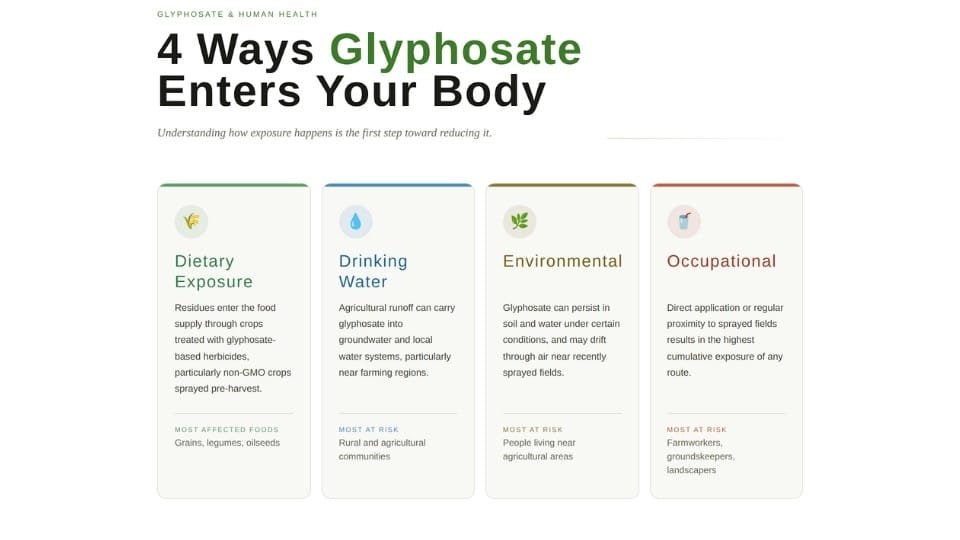
What You Can Do to Reduce Your Exposure
If you’re concerned about glyphosate levels in your family’s diet, there are practical steps you can consider:- Choose organic produce when buying foods that tend to carry higher pesticide residues
- Wash and peel fruits and vegetables before eating
- Vary your food sources and dietary patterns
- Ask your health care professional about testing options if you have occupational exposure
- Advocate for food transparency and stay informed about regulatory review updates from the EPA
| Support Area | Why It Matters | What to Do | Why It Helps |
| Food Quality | Diet is one of the most direct ways people interact with environmental exposures | Choose organic options for higher-residue foods when possible | May help reduce pesticide intake while supporting overall nutrition |
| Produce Preparation | Residues can remain on fruits and vegetables before eating | Wash, scrub, or peel produce before consumption | Helps lower surface-level residue exposure in a simple, low-cost way |
| Dietary Variety | Repeated exposure can increase when the same foods are eaten all the time | Rotate produce, grains, and protein sources each week | Broadens nutrient intake and may reduce repeated exposure from one source |
| Gut Health Support | Gut health is closely tied to digestion, immunity, and mood regulation | Emphasize fiber-rich foods, fermented foods, and adequate hydration | Supports a healthier gut environment and overall well-being |